How I Built My Business in a New Country
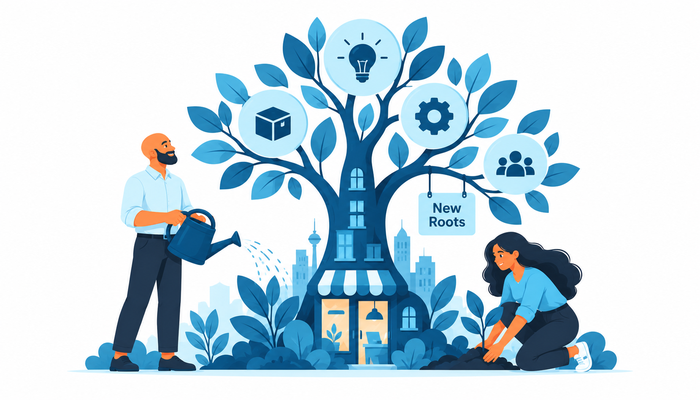
How I Built My Business in a New Country: What Actually Worked
Building a business in a new country forced me to rethink almost everything I thought I knew about entrepreneurship. I had experience, a clear idea of what I wanted to sell, and enough confidence to believe that I could adapt quickly. What I underestimated was how much of business success depends on local context. Customers behaved differently, trust took longer to earn, language mattered in ways I had not expected, and even simple operational decisions became more complicated because I was learning the market and the country at the same time.
The business only started to work when I stopped trying to recreate my old way of operating and started treating the new country as a market I needed to understand from zero. I simplified the offer, spoke to more customers, reduced unnecessary costs, built local relationships, and paid closer attention to what people were actually buying rather than what I thought they should buy.
The biggest lesson was this: I did not build the business by importing a successful formula. I built it by adapting faster than the market rejected my assumptions.
I Started by Narrowing the Business
One of the first changes I made was reducing the number of things I was trying to sell. At the beginning, I wanted to keep the business flexible, so I offered several services to different types of customers. That felt sensible because I did not want to miss opportunities, but it made the business difficult to understand. Each customer group had different expectations, budgets, and reasons for buying, and my message became too broad.
The business improved when I chose one clear customer profile and focused on one problem that mattered to them. Sales conversations became easier because I could speak more specifically about the problem, the result, and why my experience was relevant. I also started learning faster because the feedback from one customer was useful for the next one.
That focus did not limit the business permanently. It gave the company a clear starting point. Once one offer worked consistently, expansion became much easier.
I Talked to Customers Before Building More
My early instinct was to improve the website, presentation, and operations. I thought a more polished business would create more confidence.
What actually helped was talking to customers.
I started asking more direct questions about how they currently solved the problem, what frustrated them, how much the problem cost them, and what would make them consider changing suppliers. Those conversations changed the business more than any branding work.
Some assumptions disappeared completely. Other opportunities became obvious only after hearing the same problem repeatedly from different people.
The lesson was that customer conversations should happen before expensive execution. A founder can spend months perfecting an offer that the market has not asked for. Ten honest conversations can often expose that faster than weeks of internal planning.
I Learned That Local Trust Had to Be Earned
One of the biggest challenges was credibility.
In my previous market, I had experience and references that people understood. In the new country, that history did not automatically carry the same weight. Potential customers wanted to know whether I understood their market, whether I could deliver locally, and whether I was likely to remain there long enough to be reliable.
I stopped assuming that my old reputation would transfer automatically and started building new proof. I focused on early customer results, local partnerships, testimonials, and relationships with people who were already trusted.
This process was slower than I expected, but it changed the sales dynamic. Once the first few local customers were satisfied, future conversations became much easier.
Trust compounds. The difficult part is building the first layer.
I Kept the Business Lean for Longer
Another important decision was controlling fixed costs.
It was tempting to make the company look larger than it was. I considered more software, better offices, more contractors, and other expenses that would have made the business feel established.
Instead, I kept the structure deliberately simple.
I spent first on the things that were legally necessary, directly connected to customer acquisition, or required to deliver the service properly. Everything else had to justify itself.
That gave me more runway and reduced pressure. When a sales month was slow, I did not immediately feel that the business was in danger.
This mattered because entering a new market takes longer than expected. Low fixed costs gave me time to learn without forcing premature decisions.
Practical Example: One Local Client Changed the Business
The turning point did not come from a large marketing campaign. It came from one local client.
That customer gave me something much more valuable than revenue. They helped me understand how buyers in the market thought. I learned which objections mattered, which language worked, what kind of proof customers wanted, and how long the decision process really took.
After the project, I used that experience to improve the offer and sales process. The next client was easier because I had a local example. The third was easier because I had two.
This is when I understood that the first customer in a new country can be strategically more valuable than financially valuable. A small local contract can create credibility, references, and market understanding that make later growth possible.
Language Became Part of the Sales Strategy
At first, I treated language as a personal challenge. I assumed I could run most of the business in English and improve the local language gradually.
That worked to a point.
But I started noticing how much stronger conversations became when I understood more of the local language and business vocabulary. It helped with networking, administration, customer trust, and subtle details that were easy to miss when everything was translated.
I did not need perfect fluency before starting, but I did need a clear plan for improving. For a business dependent on local customers, language was not just about integration. It became part of customer acquisition and relationship building.
I Built Local Relationships Before I Needed Them
Another thing that helped was networking differently.
At first, I went to events mainly to find customers. That approach made every conversation transactional and often disappointing.
Later, I started building relationships without expecting immediate sales. I met other founders, accountants, consultants, suppliers, and people working in related industries. Over time, those relationships created introductions, recommendations, and practical knowledge that would have been difficult to find online.
The strongest network was not the one with the most contacts. It was the one where people understood what I did and trusted me enough to mention my name when an opportunity appeared.
That took time, but it made the business feel less isolated.
I Used Local Experts Earlier
I tried to understand too much on my own in the beginning.
That was useful for learning, but inefficient in areas where mistakes could become expensive. Tax, accounting, licenses, contracts, and employment rules were not places where saving a small professional fee justified taking unnecessary risk.
The turning point was learning to distinguish between problems I should understand and problems I should personally solve.
I still wanted to understand the logic behind decisions, but I stopped trying to become my own accountant, lawyer, and compliance adviser.
Using the right local professional early saved time and reduced uncertainty. It also freed me to focus on customers and operations.
I Separated Personal Runway From Business Runway
This was one of the most important financial changes.
In the beginning, I thought of all available money as one pool. That made it difficult to understand whether the business was actually improving or whether I was simply supporting it with personal savings.
I eventually separated the two completely.
The business had its own operating runway. My personal life had a separate reserve for housing, food, insurance, transport, and emergencies.
This created much better decision-making. If the business was weak, I could see it clearly. If my personal expenses were too high, that was a different problem.
For anyone relocating with a family, this separation becomes even more important because business risk should not quietly consume the household's security.
I Changed My Pricing After Understanding the Market
My original pricing was based partly on what I had charged before and partly on what competitors seemed to charge.
That was not enough.
I had to understand what customers considered normal, what they expected to receive at different price points, and how much risk they felt when buying from a new supplier.
In some cases, my initial price was too low and made the offer look less credible. In others, the package included too much work for the amount charged.
Once I understood the market better, I simplified the pricing and connected it more clearly to outcomes.
Pricing became easier when I stopped thinking only about my costs and started thinking about how customers perceived value.
I Focused on Repeatability Before Growth
The business became much stronger when I stopped chasing every opportunity and started looking for patterns.
Which customers bought fastest? Which industries responded best? Which service produced the highest margin? Which acquisition channels created serious leads instead of attention?
Once those patterns became visible, I could repeat what worked.
That was the point where growth became less dependent on luck.
Before hiring or adding more services, I wanted to know that the existing system could generate customers consistently. That made expansion much safer.
Growth without repeatability would have amplified uncertainty. Repeatability turned growth into a decision rather than a gamble.
I Built the Business Around What the Country Actually Offered
At the beginning, I focused heavily on what I wanted the business to become.
Over time, I became more interested in what the local market made possible.
The country had industries, networks, skills, customer groups, and opportunities that I had not noticed before moving. Some of those fit the business better than the original plan.
Instead of resisting that information, I adapted.
The final version of the business was not identical to the one I had imagined before relocation. That was not failure. It was the result of learning.
A business operating in a new country should be shaped partly by the environment it enters.
What Nobody Told Me About Building a Business Abroad
The hardest part was not any individual legal or financial task. It was making decisions while constantly learning.
In your home market, you already understand many invisible things: how customers communicate, which prices feel normal, who to trust, how banks work, and where to find reliable help. Abroad, those small uncertainties accumulate.
That can make a competent founder feel inexperienced again.
I eventually stopped interpreting that feeling as a problem. It was simply the cost of entering a new market.
The goal was not to know everything quickly. It was to learn the high-impact things before mistakes became expensive.
What I Would Do Again
If I were building another business in a new country, I would still start small. I would choose a narrow customer group, talk to customers early, keep fixed costs low, and protect personal runway.
I would also invest in local relationships sooner and treat language as part of the commercial strategy. I would use qualified local professionals earlier for high-risk administrative areas and spend less time trying to solve everything myself.
Most importantly, I would expect the business to change. The original plan is useful, but the real company should be shaped by evidence from the market.
Conclusion: I Built the Business by Learning the Country
The business did not work because I found a perfect formula before moving. It worked because I eventually stopped expecting the new market to behave like the old one.
I narrowed the offer, listened to customers, built local trust, protected cash, improved the language, and allowed the business model to change when the evidence changed.
That process took longer than I expected, but it created something much more valuable than a company that was simply registered abroad. It created a business that actually belonged in the market where it operated.
If I were starting again, I would ask one question from the beginning:
“What do I need to learn about this market before I try to grow inside it?”
That question would guide almost every important decision that follows.
FAQ
What is the first step when building a business in a new country?
Start by validating the local market and speaking with potential customers before investing heavily in company setup or growth.
How important is local trust?
Very important. Local references, partnerships, and early customer results can make it much easier to build credibility in a new market.
Should I keep the business small at first?
Often, yes. Keeping fixed costs low gives you more time to learn the market and reduces pressure while sales are still unpredictable.
Is local language necessary?
It depends on the business, but it can significantly improve customer trust, networking, administration, and access to local opportunities.
When should I hire employees?
Hiring makes more sense once the business has repeatable demand and enough cash flow to support the additional fixed cost and compliance responsibilities.
What is the biggest lesson from building a business abroad?
The biggest lesson is to adapt the business to the local market instead of assuming that a model from another country will transfer unchanged.